
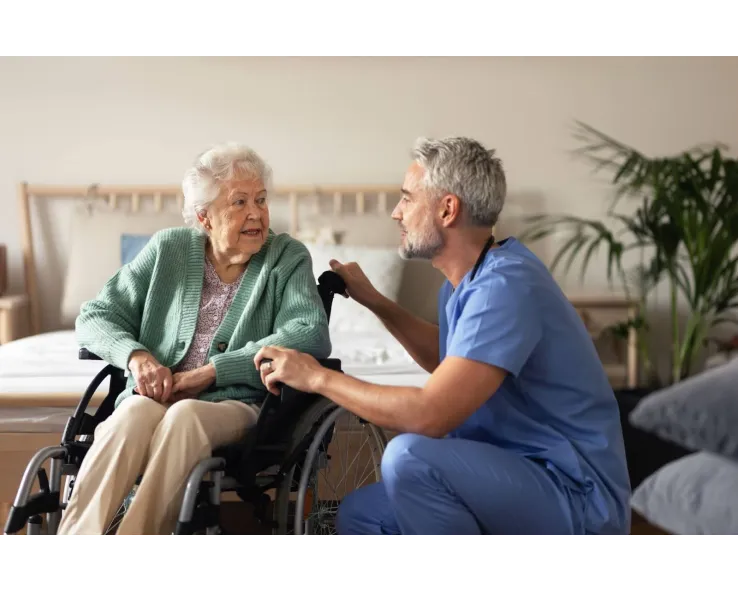
Care homes provide essential support for older adults and vulnerable individuals, many of whom live with underlying health conditions or weakened immune systems.
Because of this, maintaining safe and hygienic environments is critical. One of the most important responsibilities for care providers is implementing effective infection prevention and control practices.
Infection prevention and control in care homes is not only a regulatory expectation but also a key factor in protecting residents, staff, and visitors from avoidable illness.
When infection control procedures are well designed and consistently followed, the risk of outbreaks can be significantly reduced and the quality of care environment improved.
Understanding Infection Risks in Care Homes
Care homes present unique infection risks compared with other settings. Residents often share communal spaces such as dining rooms, lounges, and activity areas. Staff move frequently between residents while providing personal care, administering medication, or supporting daily routines.
These interactions are essential for delivering care but can also increase opportunities for infections to spread if appropriate infection prevention control measures are not in place.
Respiratory illnesses such as influenza and COVID-19 remain common concerns in care home environments.
Gastrointestinal infections including norovirus can also spread quickly in communal living settings. Skin infections, wound infections, and other healthcare associated infections may occur where residents require ongoing medical care or assistance with mobility.
For this reason, infection prevention and control in care homes must be embedded into everyday operations. Strong infection control procedures help ensure that both residents and staff are protected.
Why Infection Prevention Matters
Effective infection prevention and control protects more than just physical health. Outbreaks in care homes can lead to hospital admissions, staff shortages, and disruption to daily care routines.
Families and regulators also expect care providers to maintain environments that prioritise health and safety.
Infection prevention control strategies help care homes create safer environments by reducing the transmission of illness and maintaining continuity of care. When infection control procedures are implemented consistently, they support resident wellbeing and allow staff to deliver care with greater confidence.
The importance of infection control within a care home setting has become even more visible in recent years. Care providers are now increasingly focused on strengthening infection prevention strategies that go beyond basic hygiene measures.
Key Elements of Infection Prevention Control in Care Homes
Successful infection prevention control in care homes relies on several key elements working together.
Hygiene practices remain one of the most important foundations. Staff must follow clear procedures for hand hygiene before and after resident contact, while appropriate personal protective equipment should be used when supporting residents who may have infectious conditions.
Environmental cleanliness is another critical factor.
Regular cleaning of surfaces, equipment, and communal spaces helps reduce the presence of bacteria and viruses within the care home environment. Safe waste disposal and laundry procedures also form part of effective infection control care home management.
Ventilation and air quality have also become increasingly important in infection prevention. Poor airflow can allow airborne pathogens to remain in indoor environments for longer periods, increasing the likelihood of transmission between residents and staff.
Technologies that help maintain healthier indoor environments are now being used to support traditional infection control measures.
For example, solutions such as Biovitae lighting technology can provide continuous sanitisation within occupied spaces while still functioning as normal lighting.
Environmental innovations such as antimicrobial lighting can complement existing hygiene procedures by helping reduce microbial contamination within indoor spaces. The wider role of these technologies in improving indoor environments is explored in Biovitae vs Arcairtech: The Smarter, Cost-Effective Way to Improve Air Quality.
The Role of Staff Training
Even the most effective infection prevention strategies depend on staff understanding how and when to apply them. Training and awareness are therefore essential components of infection prevention and control in care homes.
Staff must understand how infections spread and how everyday activities can influence infection control. Training should reinforce correct hygiene procedures, the use of protective equipment, and the importance of recognising early signs of infection among residents.
When staff feel confident in infection prevention practices, they are better able to respond quickly and prevent problems before they escalate. This helps maintain safer environments for everyone within the care home.
Building Safer Care Home Environments
Infection prevention control in care homes requires a proactive and continuous approach. Hygiene protocols, environmental controls, and staff training must all work together to create safe living spaces for vulnerable residents.
As care environments evolve, new technologies and improved environmental design are helping care providers strengthen their infection prevention strategies.
By combining traditional infection control procedures with modern solutions that improve air quality and reduce microbial presence, care homes can better protect residents and staff.
Protecting vulnerable people is always the priority. Strong infection prevention and control measures help care homes maintain high standards of safety, minimise disruption caused by illness, and provide reassurance to families and regulators alike.
Objective Health Supporting Infection Prevention Strategies
Objective Health works with organisations that want to strengthen their infection prevention approach and create healthier indoor environments.
From environmental technologies to practical advice on improving air quality, the focus is always on supporting safer spaces for vulnerable people.
If you are reviewing infection prevention and control within a care home environment or exploring ways to improve indoor air quality, you can get in touch with Objective Health to discuss how your organisation can strengthen its approach to infection control.