
Healthy homes are not just about clean surfaces and tidy rooms. The quality of the air people breathe, the moisture levels in the property, and the amount of natural light indoors all play a direct role in wellbeing.
For housing providers, landlords and facilities teams, two issues come up again and again: poor ventilation and low light. Together, they create the ideal conditions for damp, mould growth, stale air and respiratory problems.
The good news is that improving indoor environments does not always require major structural work. With the right approach, combining better ventilation with safe, continuous sanitising light can make a measurable difference.
This article looks at why ventilation and light matter, how they influence mould and health, and how solutions like smart ventilation and Biovitae lighting can support healthier homes.
Why Ventilation Matters in Residential Properties
Ventilation is how a home removes moisture, odours and airborne pollutants, and replaces them with fresh air.
Without proper airflow, everyday activities like cooking, showering, drying clothes indoors and even breathing increase indoor humidity.
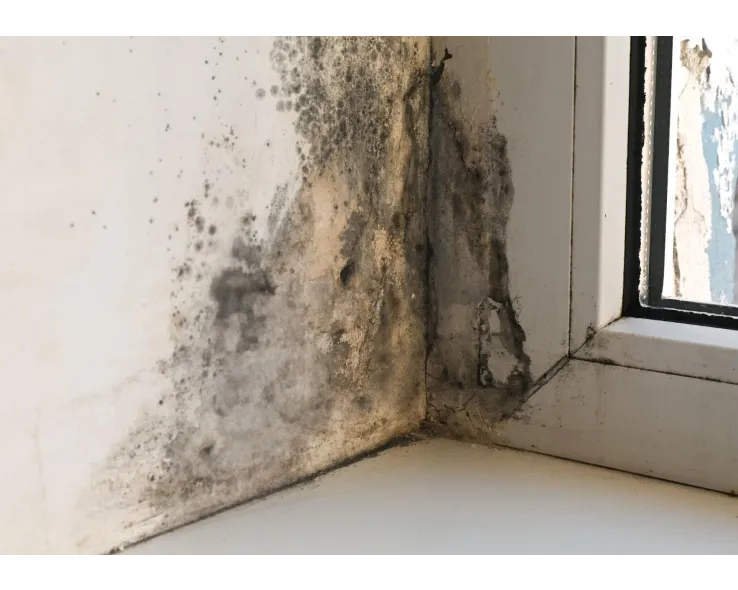
When warm, moist air cannot escape, it settles on colder surfaces such as windows, external walls and corners. Over time, condensation and persistent moisture create the conditions mould needs to grow.
Poor ventilation can also lead to a build-up of indoor pollutants, including:
Dust and allergens
Compounds from cleaning products and furnishings
Cooking fumes
Smoke and carbon dioxide
In many properties, ventilation problems are not obvious until mould appears or residents begin reporting symptoms such as coughing, wheezing, headaches or disrupted sleep.
The Link Between Poor Airflow & Mould
Mould is not just an ugly sight. It is a sign that moisture levels are consistently too high, and it can contribute to poor indoor air quality.
Mould spores spread through the air, meaning the problem is not limited to the visible patch on a wall. In poorly ventilated homes, spores can circulate and settle in soft furnishings, wardrobes, window frames and behind furniture.
This is particularly important in homes occupied by children, older adults, and people with asthma or weakened immune systems. For these residents, prolonged exposure can worsen respiratory symptoms and increase the risk of illness and long term health issues.
Improving ventilation is often the first practical step in reducing mould risk, because it addresses the underlying cause rather than just treating the visible side effects.
Why Light Levels Also Affect Indoor Health
Natural light supports physical and mental wellbeing.
It helps regulate sleep patterns, improves mood, and encourages healthier day to day routines. Homes with limited natural light often feel colder and more humid, particularly in winter months.
Low light can also contribute to damp conditions, as sunlight helps dry surfaces and reduces moisture lingering in corners, window recesses and poorly heated rooms. While light alone will not prevent mould, it influences the conditions that allow damp problems to persist.
For housing providers and landlords, it is important to consider light in combination with ventilation.
Even with improved airflow, some environments can still feel stale or high risk if shared spaces, corridors, bathrooms or internal rooms have poor light and high footfall.
The Role of Smart Ventilation
Smart ventilation systems are designed to improve airflow based on real living conditions. Rather than relying solely on residents opening windows or using extractor fans correctly, smart systems respond automatically to changes in humidity and air quality.
Depending on the property type, options might include:
Continuous extract systems
Humidity triggered extractor fans
Whole house ventilation systems
Sensors that monitor humidity levels and air quality
These approaches support consistent airflow, reduce moisture build-up, and can help prevent mould returning after treatment.
However, ventilation only tackles one part of the picture. It helps move air and reduce damp, but it does not actively sanitise air and surfaces in occupied spaces.
Where Biovitae Can Add Value
Biovitae is designed to provide continuous sanitisation while functioning as normal white light. Unlike technologies that require separate sanitisation cycles or operate in a different mode, Biovitae integrates lighting and sanitising action at the same time.
This matters in residential homes because the highest risk periods are when people are present. Shared spaces, communal corridors, bathrooms, kitchens and high-touch point areas are most likely to benefit from continuous support.
Biovitae lighting can help improve indoor environments by reducing the presence of microorganisms in the air and on surfaces, supporting a healthier living space alongside ventilation improvements.
It is also safe for occupied environments, which makes it suitable for homes, care settings, and buildings where continuous operation is needed.
Why Ventilation and Light Work Better Together
Ventilation and sanitising light address different parts of the same problem.
Ventilation reduces humidity and removes polluted air, helping to prevent mould growth and improve air freshness. Biovitae lighting supports ongoing hygiene within the environment by continuously sanitising while providing everyday illumination.
Together, they create a more complete approach to healthier homes such as ventilation helps reduce condensation and damp, limiting the conditions mould needs to grow Improved light supports comfort and wellbeing, particularly in darker spaces Biovitae provides continuous sanitisation in occupied rooms, supporting hygiene in shared environments
For housing associations and landlords, the benefit is practical and cost effective in the long term.
Instead of relying on one solution alone, this approach supports long-term outcomes, including improved tenant wellbeing, fewer mould related complaints, and healthier shared spaces.
Practical Areas to Prioritise
For most homes and residential blocks, the best results come from focusing on areas with high moisture, high occupancy, or limited natural light.
This includes:
Bathrooms and shower rooms
Kitchens and utility areas
Bedrooms where condensation often forms on windows
Communal hallways, stairwells and shared entrances
Laundry rooms or spaces where indoor clothes drying is common
Combining better ventilation with Biovitae lighting in these areas can provide both improved air movement and continuous environmental support.
Supporting Healthier Homes With Objective Health
Objective Health supports housing providers, landlords and organisations looking to improve indoor environments through practical, evidence based solutions.
Biovitae lighting offers a straightforward way to support continuous sanitisation alongside existing ventilation strategies. It installs like a standard light and provides white light suitable for everyday use, while supporting a cleaner environment in occupied spaces.
If you are managing mould complaints, reviewing building health standards, or planning improvements across residential properties, Objective Health can help you identify the right approach.
To learn more about Biovitae, visit our website or contact our team for more information.