
Alcohol testing is a vital part of workplace safety, helping employers meet their legal obligations and protect staff and the public.
But as breathalyser technology becomes more common in offices, transport depots and industrial settings, one question often comes up, how accurate are these devices, and which type should businesses trust?
In 2025, workplace testing standards continue to evolve, and so does the technology behind alcohol detection. Here’s what every employer needs to know about breathalyser accuracy, reliability and compliance.
Understanding How Alcohol Breathalysers Work
Alcohol breathalysers are designed to detect alcohol present in a person’s breath at the time of testing.
When someone consumes alcohol small amounts are released through the lungs as they breathe out.
A breathalyser captures this breath sample and analyses it to produce a result.
In workplace settings, breathalysers are used to provide a clear indication of alcohol presence during a test. The results are displayed quickly, allowing employers to make timely decisions where safety may be affected.
The accuracy of a breathalyser reading depends not only on the device itself, but also on how the test is carried out. Factors such as timing, correct use, and proper maintenance all play a role, which is why workplace testing follows defined procedures rather than informal checks.
How Accurate Are Workplace Breathalysers?
Breathalysers work by analysing alcohol present in a person’s breath at the time of testing.
In workplace settings, accuracy depends on using equipment designed for professional use and following the correct testing process.
Professional breathalysers are built for controlled environments where tests may be carried out repeatedly across different staff and shifts. When used correctly, they provide reliable readings that employers can trust when making safety decisions.
Accuracy can be affected by how and when a test is performed.
Testing too soon after alcohol consumption may result in higher readings due to residual alcohol in the mouth. This is why workplace procedures usually include a short waiting period before testing begins.
Regular calibration is also essential. Breathalysers that are not maintained in line with manufacturer guidance may produce inconsistent results over time.
In workplace settings, routine calibration every 6-12 months helps ensure readings remain accurate and repeatable.
Professional devices are designed to support hygienic testing, fast results, and clear digital readings. This makes them suitable for environments where alcohol testing forms part of a formal health and safety policy.
For employers, using the right equipment and following consistent testing procedures helps ensure results are fair, reliable, and appropriate for workplace use.
What Can Affect Breathalyser Accuracy?
Even the best device needs correct use and regular maintenance to stay reliable. Several factors can influence a reading:
Calibration:
Every breathalyser must be calibrated at regular intervals. This process resets the sensor to maintain accuracy. Without calibration, readings can drift over time, leading to false positives or underestimations.
Timing After Alcohol Consumption:
Testing too soon after someone has consumed alcohol can produce artificially high readings. This is because residual alcohol can remain in the mouth, on the tongue or in dental work. Most guidelines recommend waiting at least 15 to 20 minutes after the last drink before testing.
Residual Mouth Alcohol:
Breath fresheners, mouthwash and some medications can contain alcohol and affect short-term readings. This is another reason to observe a waiting period before testing.
Environmental Conditions:
Temperature, humidity and airflow can influence readings, especially for lower-grade devices. Professional equipment compensates for these changes automatically.
Operator Training:
Accurate results depend on consistent testing procedures. Staff who carry out tests should complete recognised training to ensure samples are collected correctly and the device is used as intended.
Why Professional-Grade Equipment Matters
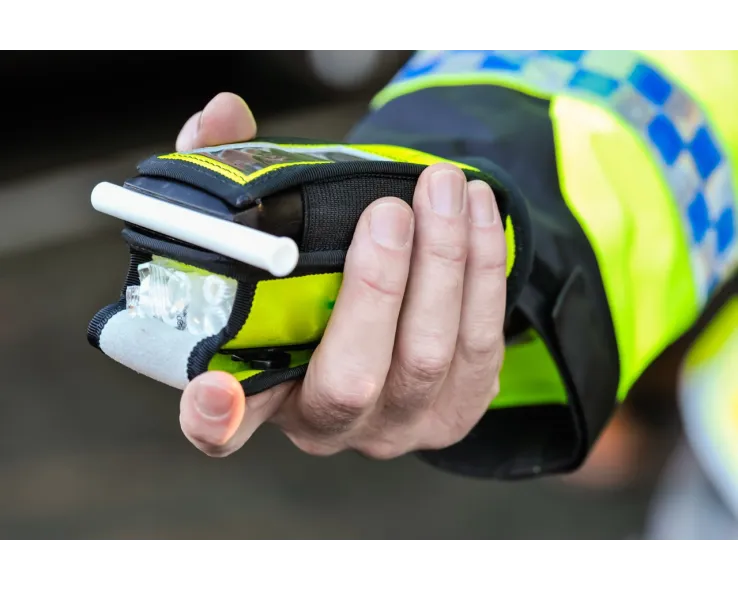
For employers, using a certified workplace-grade device is critical. Professional breathalysers such as those used by police forces and safety specialists are designed for repeatable results, even under varied conditions.
Objective Health recommends using fuel-cell devices that meet Home Office or equivalent certification standards. These units are built for workplace environments, offering precision readings with minimal maintenance.
Choosing professional equipment also supports fairness and legal compliance. If an employee disputes a result, a certified device with proper calibration records provides verifiable evidence that the test was conducted correctly.
Legal and Safety Considerations for Employers
Employers have a duty under the Health and Safety at Work Act 1974 to protect employees and others from risks associated with alcohol or substance misuse.
A robust testing policy should include:
Clear guidance on when and how testing occurs (pre-employment, random, post-incident).
Consent procedures and confidentiality measures.
Defined thresholds and consequences of failed tests.
Use of reliable, calibrated devices and trained operators.
Failing to follow these steps can expose a business to legal challenges, especially if results are found to be unreliable. Using high-quality breathalysers supported by consistent training and documentation helps reduce those risks.
Ensuring Consistent, Reliable Testing in the Workplace
Consistency is key to building trust and compliance in alcohol testing programmes. Employers can achieve this by:
Using professional fuel-cell devices only.
Calibrating equipment every 6 to 12 months, depending on manufacturer guidelines.
Training designated staff through workplace first aid training or related safety courses to handle incidents appropriately.
Keeping accurate test records for auditing and investigation.
Reviewing workplace alcohol policies annually to align with current legislation and technology.
By integrating testing into a wider occupational health strategy, employers can create safer environments and demonstrate their commitment to wellbeing.
How Objective Health Supports Workplace Safety
Objective Health provides certified testing equipment, first aid workplace courses, and workplace first aid training to help employers meet safety and compliance standards. From breathalyser calibration and testing kits to policy support and staff education, our team ensures your organisation is prepared, protected and compliant.
If you are reviewing your workplace alcohol testing process or want to upgrade your equipment, our specialists can help you choose the right solution.
Contact us today to learn more or explore our full range.