
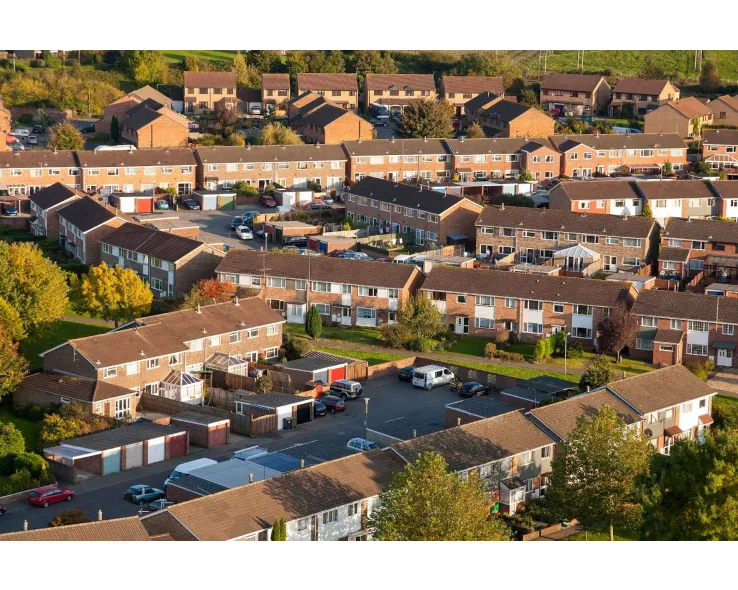
Safe housing is no longer defined by structure alone. It is not just about walls, roofs and heating systems. Today, the conversation has shifted towards prevention.
Housing providers are expected to anticipate risks before they escalate, to protect residents’ health before complaints arise, and to demonstrate proactive management of indoor environments.
The future of safe housing lies in three connected elements: light, air and data. When ventilation, intelligent lighting and environmental monitoring work together, they create a stronger foundation for healthier homes.
This is not about expensive retrofits or large scale redevelopment. It is about building smarter systems into everyday environments and making prevention part of standard housing management.
The Shift from Reactive to Preventative Housing
In recent years, damp and mould have become central issues in the housing sector.
Investigations and regulatory updates have reinforced what many housing teams already knew. Poor indoor conditions do not just damage buildings.
They affect health.
Reactive maintenance is no longer enough. Treating visible mould without addressing airflow or moisture patterns simply delays the problem. Cleaning communal areas without considering environmental hygiene misses the bigger picture.
Safe housing now requires a preventative mindset.
It means reducing the conditions that allow damp, pollutants and microorganisms to persist. It means looking at properties not as static assets, but as living environments influenced by behaviour, design and environmental factors.
The Foundation of a Healthy Indoor Environment
Ventilation remains the cornerstone of healthy housing.
Without adequate airflow, moisture builds up. Condensation forms. Mould grows. The air becomes stale and uncomfortable.
In modern housing stock, improved insulation and tighter building envelopes have reduced heat loss but also reduced natural air exchange. This makes mechanical and smart ventilation systems increasingly important.
Systems that respond to humidity levels, continuous extraction in high risk areas, and properly maintained airflow pathways help reduce moisture at its source. They remove pollutants generated by cooking, cleaning and daily living.
Ventilation does not just prevent mould. It improves comfort, supports respiratory health and contributes to overall wellbeing.
More Than Illumination
Light influences more than visibility. It affects mood, energy levels and perception of safety. In poorly lit corridors, bathrooms or shared spaces, environments can feel damp, neglected or unhealthy.
Innovations in lighting are now playing a broader role in healthy housing strategies.
Biovitae, for example, is designed to provide continuous sanitisation while delivering standard white light. It operates safely in occupied environments, supporting environmental hygiene in communal areas and high use spaces.
This type of lighting does not replace ventilation. Instead, it strengthens a preventative approach. While ventilation manages airflow and moisture, integrated lighting solutions support cleaner shared environments when people are present.
For housing providers managing blocks, supported living environments or care settings, this can provide an added layer of reassurance.
Monitoring Turning Data into Early Action
Prevention depends on visibility. Monitoring systems that track humidity, temperature and indoor conditions allow housing teams to identify potential problems before they escalate.
Data can highlight:
Persistent humidity within homes that increase mould risk
Poor airflow in certain property types
Environmental factors linked to complaints
This information supports targeted interventions. Instead of relying solely on resident reports, providers can take informed action. Monitoring also provides evidence of proactive management, supporting compliance and asset planning.
In many cases, combining monitoring with ventilation upgrades delivers measurable improvements in indoor conditions within weeks.
A Joined-Up Approach to Safe Housing
Light alone cannot solve dampness. Ventilation alone cannot address hygiene in shared spaces. Monitoring alone cannot improve conditions without intervention.
The strength of the new standard lies in integration.
When ventilation reduces moisture, monitoring tracks risk, and lighting supports environmental hygiene, housing providers move from reactive repairs to preventative management.
This integrated approach supports:
Reduced mould complaints
Improved resident satisfaction
Clearer compliance reporting
Healthier shared spaces
More consistent property standards across portfolios
Importantly, it does so in a scalable way. Improvements can begin with higher risk properties or communal areas and expand gradually.
Raising Expectations Across the Sector
The regulatory environment continues to evolve, and public awareness of housing conditions is growing. Housing providers are expected to demonstrate that they are taking reasonable steps to protect residents.
A preventative strategy built around air, light and monitoring reflects that shift. It shows that health is being considered as part of property management, not as an afterthought.
For landlords, housing associations and facilities teams, this is about setting a new baseline. Safe housing should mean more than meeting minimum standards. It should mean actively reducing risks wherever practical.
How Objective Health Supports Healthier Housing
Objective Health works with organisations that want to strengthen their approach to indoor environments. Through Biovitae lighting solutions and support around environmental strategy, we help housing providers adopt practical measures that contribute to safer, healthier spaces.
Our approach recognises that prevention works best when solutions are integrated. Ventilation improves airflow. Monitoring provides insight. Biovitae supports environmental hygiene in occupied spaces.
Together, these measures form a realistic and forward looking framework for healthier homes.
How Objective Health Can Help
The future of safe housing will not be defined by single products or isolated upgrades. It will be defined by systems that work together to prevent problems before they arise.
Light, air and prevention are no longer separate considerations. They are part of a unified standard for responsible housing management.
If you are reviewing your indoor air quality strategy or exploring ways to strengthen your preventative approach, Objective Health can help you assess practical options suited to your portfolio.
If you’re reviewing your approach to healthier homes and want practical guidance on lighting, ventilation and monitoring, speak to the Objective Health team.
We can help you identify the right options for your properties and priorities.