Alcohol testing in the workplace is becoming more common across the UK, particularly in safety critical industries. Construction sites, transport operations, manufacturing facilities and logistics hubs all face similar pressures to reduce risk, protect staff, and demonstrate compliance.
But a question often sits beneath the policy itself.
Are breathalysers really the best way for a business to understand its employees and their habits?
The answer depends on what an employer is trying to achieve. A breathalyser alcohol tester is not designed to analyse behaviour patterns or lifestyle choices.
It is designed to measure the presence of alcohol at a specific moment in time. When used properly, it supports workplace safety. When misunderstood, it can be seen as something else entirely.
Understanding that distinction is essential.
What a Breathalyser Actually Measures
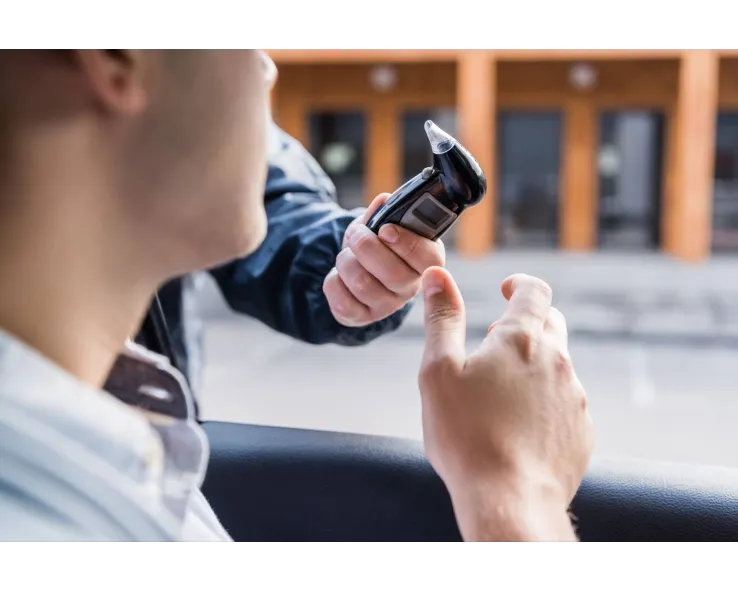
A professional alcohol tester works by analysing a breath sample to estimate blood alcohol concentration. When alcohol is consumed, it enters the bloodstream and is carried to the lungs, where small amounts are exhaled.
An alcohol breath test detects these traces and converts them into a digital reading, making it a quick way to test for alcohol at the point of entry.
This reading reflects current alcohol presence.
It does not show how often someone drinks, whether they drank last weekend, or whether they have an ongoing issue. It provides a real time assessment of fitness for duty. In safety critical roles, that real time assessment is often what matters most.
If you are considering introducing testing or upgrading your equipment, you can view our full range of professional breath alcohol tests.
Why Businesses Introduce Alcohol Testing
Under the Health and Safety at Work Act 1974, employers have a legal duty to reduce foreseeable risks. Alcohol impairment increases the likelihood of accidents, errors and unsafe judgement, which is why many employers use workplace testing to test for alcohol before safety critical shifts.
Even small traces of alcohol can affect reaction times, coordination and decision making.
For roles involving machinery, vehicles, working at height or responsibility for vulnerable individuals, the consequences of impairment can be severe.
Workplace alcohol testing is therefore not about understanding personal habits. It is about verifying that employees are safe to perform their role at the time they are due to work.
A calibrated alcohol testing kit gives employers a consistent, objective way to apply their policies. It removes guesswork and replaces suspicion with measurable evidence.
The Difference Between Monitoring and Safety Control
It is important to separate two concepts: behavioural monitoring and safety control.
A breathalyser alcohol tester functions as a safety control. It confirms whether alcohol is present in the system at a level that breaches company policy.
It will not provide insight into long term habits or patterns of use.
If an organisation is concerned about wider wellbeing or substance misuse trends, those issues are better addressed through occupational health support, employee assistance programmes and clear HR processes.
Breathalysers should not be positioned as a tool to understand lifestyle choices. They are a tool to manage immediate workplace risk.
The Importance of Using Workplace Grade Devices
If a business chooses to implement alcohol testing, the quality of equipment matters.
Consumer level devices, often marketed for personal use, are not suitable for formal workplace policies. They may lack calibration controls, produce inconsistent readings, or fail to meet professional standards.
A workplace alcohol test kit should be designed for repeated use, provide accurate digital readings, and allow for documented procedures. Professional devices also support hygiene standards and faster turnaround times, which is particularly important when testing multiple employees.
Using the right alcohol tester protects both the employer and the employee. It ensures that any decision based on a result is defensible and fair.
For a deeper look at what affects accuracy and how employers can keep results consistent, check out our blog on How accurate are alcohol breathalysers? The truth employers need to know.
Legal and Policy Considerations
Introducing alcohol testing requires careful planning. Employers must ensure that testing is proportionate to the risks within their specific environment.
Clear communication is critical. Employees should understand when testing may take place, what thresholds apply, how results are recorded, and what happens if a test is positive.
Consent and data handling must also align with UK privacy legislation.
Alcohol testing data is considered sensitive information, and processes should reflect that. When policies are transparent and consistently applied, alcohol testing supports a culture of accountability rather than mistrust.
Training plays an important role here, especially for supervisors and managers who are responsible for handling testing correctly.
If you need structured guidance on implementation and best practice, Objective Health can also provide drug and alcohol training to support supervisors and managers, helping you apply testing procedures correctly and consistently across teams.
When Breathalysers Are Most Effective
Breathalysers are most effective in environments where immediate impairment poses a direct risk. In these settings, testing confirms fitness for duty before work begins or following an incident.
They are particularly valuable in sectors where regulatory scrutiny is high and where demonstrating a structured safety approach is essential.
In these cases, a breathalyser alcohol tester is not about understanding behaviour trends.
They are a practical safety control designed to prevent accidents before they happen. They help employers identify potential impairment early, before it leads to an incident involving vehicles, machinery, working at height, or public facing responsibilities.
So, Are They the Best Way?
If the goal is to understand personal habits or long term behaviour, no. A breathalyser cannot provide that insight.
If the goal is to reduce risk, verify fitness for duty, and apply a clear alcohol policy consistently, then yes.
A professional alcohol breath test is one of the most practical tools available to employers. When used alongside training, a clear process and employee support systems, alcohol testing strengthens workplace safety without overstepping into personal surveillance.
Alcohol testing is often reviewed alongside drug testing as part of a wider safety programme. Is fingerprint drug testing reliable? Breaking down the science for employers explains how fingerprint screening works in the workplace.
Want to Work with Objective Health?
If you are introducing alcohol testing or reviewing an existing policy, Objective Health can help you take a practical and compliant approach. We supply workplace grade breathalysers and alcohol testing kits that support consistent, reliable testing across a range of industries.
If you want to tighten up your procedures, improve consistency, or make sure your testing approach is proportionate and defensible, get in touch with our team.
We can advise on the right breath alcohol tests for your workplace and provide drug and alcohol training to support correct use and consistent decision making.
Call 01914862425 or email [email protected].