
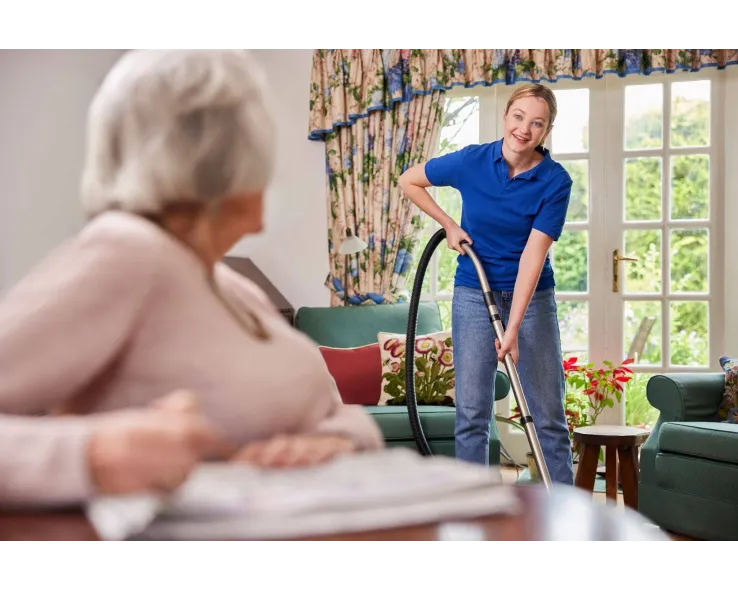
Care homes are designed to provide safe, supportive environments for vulnerable residents, but shared living spaces can also increase the risk of infection spread if environmental hygiene is not managed effectively.
Communal lounges, dining areas, corridors, bathrooms, and shared equipment are all high contact environments where bacteria and viruses can circulate quickly.
For care providers, maintaining strong infection prevention and control measures is essential not only for compliance, but for protecting resident wellbeing and supporting safer day to day care.
Environmental hygiene plays a central role in reducing microbial spread within care home settings. When cleaning procedures, air quality management, and infection prevention strategies work together, care homes are better equipped to minimise outbreaks and maintain healthier indoor environments.
Why Shared Living Spaces Increase Infection Risk
Unlike many workplaces or residential settings, care homes involve constant interaction between residents, staff, visitors, and healthcare professionals. Shared environments mean infections can move rapidly between individuals if infection prevention control measures are inconsistent or insufficient.
Residents may already be more vulnerable due to age, existing health conditions, reduced mobility, or weakened immune systems. Respiratory illnesses, gastrointestinal infections, and healthcare associated infections can all spread more easily in communal environments where surfaces and air are continuously shared.
This is why infection prevention and control in care homes requires a proactive approach rather than simply responding once an outbreak occurs. Strong infection prevention strategies help care providers reduce risk before issues escalate and support safer long term care environments.
The Importance of Environmental Hygiene
Environmental hygiene refers to the processes used to maintain clean, safe indoor environments and reduce the presence of harmful microorganisms.
Within a care home, environmental hygiene extends beyond routine cleaning. It includes surface sanitisation, ventilation, hand hygiene procedures, waste management, laundry handling, and the overall management of indoor air quality.
Effective infection prevention and control depends on all of these measures working together consistently.
When environmental hygiene standards are poor, bacteria and viruses can remain on frequently touched surfaces for extended periods. Door handles, dining tables, mobility aids, lift buttons, and communal seating areas can all contribute to microbial spread if cleaning routines are not carefully managed.
Strong infection prevention control procedures help reduce these risks while supporting a safer and more reassuring environment for residents, staff, and visitors.
Ventilation and Air Quality in Care Homes
Air quality has become an increasingly important part of infection prevention in care home environments. Poor ventilation can allow airborne particles and pathogens to remain within indoor spaces for longer periods, increasing the likelihood of transmission between residents and staff.
Care homes with limited airflow or poorly ventilated communal areas may struggle to manage infection risks effectively, particularly during colder months when windows and doors are more likely to remain closed.
Improving ventilation helps reduce stagnant air and supports healthier indoor environments. This can be achieved through a combination of natural airflow, mechanical ventilation systems, and technologies designed to support continuous environmental hygiene.
For many care providers, improving air quality is now viewed as part of a wider infection control care home strategy rather than simply a building maintenance issue.
The Role of Continuous Environmental Hygiene
Traditional cleaning routines remain essential, but they only address contamination at specific points in time. Once cleaning has taken place, microorganisms can begin to accumulate again immediately through normal day to day activity.
This is where continuous environmental hygiene technologies can provide additional support.
Solutions such as Biovitae antimicrobial lighting are designed to help reduce microbial contamination while operating as normal white lighting. Unlike systems that require empty rooms or specialist operating conditions, continuous sanitisation technologies can function within occupied spaces throughout the day.
In care homes, where residents and staff continuously move through communal environments, this type of ongoing environmental support can strengthen existing infection prevention and control measures.
The role of continuous sanitisation technologies in improving indoor environments is also explored in Biovitae vs Arcairtech: The Smarter, Cost-Effective Way to Improve Air Quality, particularly in environments where large scale purification systems may not be practical or financially realistic.
Supporting Staff Through Infection Prevention Control
Even the most effective environmental hygiene systems rely on staff understanding and applying infection prevention procedures correctly.
Care teams should receive regular training on hygiene standards, cleaning responsibilities, personal protective equipment, and infection reporting procedures. Staff awareness plays an important role in reducing the likelihood of contamination spreading between residents and communal areas.
Clear infection prevention and control in care homes policies also help create consistency across shifts and departments. When staff understand the reasoning behind hygiene measures, they are more likely to apply them correctly in daily practice.
Maintaining high standards of infection control also helps reassure families, visitors, and regulatory bodies that resident wellbeing remains the priority.
Why Infection Prevention Matters for Care Providers
For care providers, infection prevention and control is closely linked to compliance, reputation, and quality of care. Outbreaks can lead to staff shortages, increased operational pressure, and disruption to residents’ routines. Strong infection prevention control measures help reduce these risks while supporting safer day to day operations.
Environmental hygiene also plays an important role in demonstrating due diligence. Regulators and families expect care home providers to maintain clean, healthy environments that actively reduce infection risks.
As infection prevention and control in care homes continues to evolve, many organisations are now looking at how environmental technologies, improved airflow, and continuous sanitisation can strengthen existing procedures rather than replace them.
More information about Objective Health’s approach and wider environmental health solutions can also be found on the About page.
Creating Healthier Care Environments
Reducing infection risk within shared living spaces requires a combination of strong environmental hygiene, effective ventilation, routine cleaning, and continuous infection prevention strategies.
Care homes that take a proactive approach to infection prevention control are better positioned to protect vulnerable residents, minimise disruption caused by outbreaks, and maintain safer environments for staff and visitors alike.
As care environments continue to evolve, environmental technologies and improved indoor air quality strategies are becoming increasingly important parts of infection prevention and control in care homes.
Supporting Infection Prevention Strategies
Objective Health works with organisations looking to strengthen infection prevention and environmental hygiene within care settings. From improving indoor air quality to supporting safer communal environments, the focus is always on practical solutions that help reduce infection risk.
If you are reviewing infection prevention and control within a care home environment or exploring ways to improve environmental hygiene, get in touch with Objective Health to discuss how your organisation can create healthier and safer indoor spaces.