
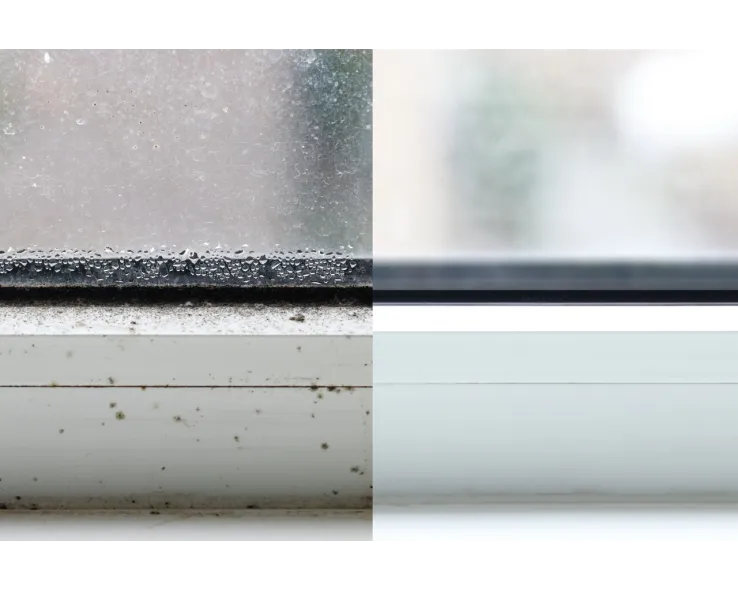
Mould, damp and condensation are often talked about as if they are the same thing.
They are connected, but they are not identical. Understanding the difference matters because the right solution depends on the cause.
A patch of mould around a window may be linked to condensation. A wet wall may be caused by penetrating dampness. A musty smell in a ground floor room could point to rising damp, poor ventilation or a leak.
For homeowners, landlords, housing providers and property managers, getting this right is important. Treating the visible problem without fixing the cause can lead to repeated complaints, wasted spend and further damage to the property.
This guide explains mould vs damp, what causes condensation problems, and what to do if you have mould in home environments.
What is damp?
Damp is the build-up of unwanted moisture in a property.
It can affect walls, ceilings, floors, plaster, paint, furniture and the general condition of the home. Damp is not always caused by the same thing, which is why it needs to be investigated properly.
GOV.UK guidance explains that damp can be linked to moisture affecting building materials and furnishings, and that the underlying causes need to be identified if the problem is to be properly resolved.
Common signs of damp include:
Wet or stained walls
Peeling paint or wallpaper
Musty smells
Damaged plaster
Cold or clammy rooms
Tide marks on walls
Damp patches that return after cleaning or decorating
Mould growth in affected areas
There are several types of damp, and each one needs a different response.
What is condensation?
Condensation happens when warm, moist air meets a colder surface and turns into water droplets.
This is common on windows, external walls, mirrors and corners of rooms. It can happen more often in winter because surfaces are colder, but it can occur at any time if humidity is high and ventilation is poor.
GOV.UK explains that everyday activities such as showering, washing clothes, cooking and breathing generate moisture. Without effective ventilation, this moisture can become trapped and turn into condensation on cold surfaces.
Energy Saving Trust also notes that condensation becomes a problem when moisture builds up to the point where it causes damage, such as peeling wallpaper or black mould growth.
Common condensation problems include:
Water on windows in the morning
Wet window sills
Mould around window frames
Damp patches in cold corners
Musty smells behind furniture
Mould growth on ceilings or external walls
Bathrooms staying damp after showers
Condensation is often linked to poor ventilation, high moisture levels and cold surfaces.
What is mould?
Mould is a type of fungus that grows where moisture is present.
It often appears as black, green or grey patches on walls, ceilings, window frames, silicone seals, furniture or fabrics. Mould usually grows when there is enough moisture, limited airflow and a suitable surface for it to spread.
If you have mould in home settings, it is important to deal with both the mould and the cause of the moisture.
Simply cleaning the visible mould may improve the appearance temporarily, but it will often return if the underlying issue is not fixed. GOV.UK guidance says that removing surface mould will not prevent damp and mould from reappearing if the cause remains.
Mould vs damp: the simple difference
The easiest way to understand mould vs damp is this:
Damp is the moisture problem.
Mould is often the visible growth that appears because of that moisture.
Condensation is one common way that moisture builds up inside the home.
In simple terms, condensation can cause damp conditions, and damp conditions can allow mould to grow.
However, not all damp is caused by condensation. Some damp comes from leaks, water getting into the building or moisture rising from the ground.
That is why the cause matters.
The main types of damp
Condensation damp
Condensation dampness is usually caused by moisture generated inside the home.
This can come from:
Cooking
Showering
Bathing
Drying clothes indoors
Breathing
Poor ventilation
Cold rooms
Blocked vents
Ineffective extractor fans
GOV.UK describes condensation damp as moisture generated inside the home cooling and condensing on colder parts of the building, such as window frames, corners and low points on walls behind furniture. It is also described as the most common form of damp.
This type of damp often improves when ventilation, heating and moisture control are addressed together.
Penetrating damp
Penetrating damp happens when water gets into the building from outside.
This can be caused by:
Leaking roofs
Broken gutters
Damaged brickwork
Cracked render
Faulty seals around windows
Defective external walls
Plumbing leaks
Ventilation alone will not fix penetrating damp. The building defect needs to be repaired.
Rising damp
Rising damp happens when moisture from the ground rises through the walls or floors.
It is more common in older properties and may be linked to a missing or failed damp proof course. Signs can include damp patches low down on walls, damaged skirting boards or tide marks.
This usually needs specialist assessment.
Why identifying the cause matters
If you treat every issue as condensation, you may miss a leak.
If you treat every issue as mould, you may only clean the surface.
If you treat every issue as a decorating problem, the damage may return.
This is why landlords, housing teams and property managers should look at the full picture before deciding what to do.
Questions to ask include:
Where does the damp or mould appear?
Is it worse in certain rooms?
Does it appear after rain?
Is it mainly around windows?
Are there signs of leaks?
Is the room properly ventilated?
Is the room cold?
Are clothes dried indoors?
Is there a musty smell?
Has the problem returned after cleaning or decorating?
The pattern often gives clues about the cause.
How to reduce condensation problems
If condensation is the main issue, the solution usually involves reducing moisture, improving ventilation and managing temperature.
Practical steps include:
Using extractor fans when cooking and showering
Keeping trickle vents open
Not blocking wall vents
Drying clothes outside where possible
Using a dehumidifier in problem areas
Keeping furniture slightly away from external walls
Maintaining a more consistent indoor temperature
Cleaning and maintaining extractor fans
Improving airflow through the property
Energy Saving Trust recommends reducing moisture at source, increasing ventilation and making sure air can circulate, including leaving gaps between furniture and walls where condensation risk is higher.
For recurring problems, a more permanent ventilation or moisture control solution may be needed.
What landlords and housing providers should consider
For landlords and housing providers, damp and mould are not just maintenance issues. They can affect tenant wellbeing, property standards, reputation and compliance.
Government guidance says landlords should take a proactive approach to identifying and tackling damp and mould, including having clear processes to document, manage and act on reports. It also stresses the importance of addressing underlying causes rather than only removing visible mould.
A practical approach should include:
Recording reports properly
Inspecting the property where needed
Identifying whether the issue is condensation, penetrating damp, rising damp or a leak
Reviewing ventilation and heating
Considering air quality and humidity monitoring
Taking action on repairs quickly
Giving residents clear advice on using ventilation and heating systems
Following up to confirm the issue has improved
For larger housing portfolios, indoor environmental monitoring can help identify recurring patterns and prioritise action.
When to get professional support
You should consider professional support if:
Mould keeps returning
Damp patches are spreading
There is a strong musty smell
The cause is unclear
There are signs of leaks or structural defects
Multiple rooms are affected
Tenants or residents are reporting health concerns
A property has repeated complaints
You need evidence before choosing the right product or repair
A proper assessment can help avoid wasting money on the wrong fix.
How Objective Health can help
Objective Health provides Healthy Home Solutions to help homeowners, landlords, housing providers and property teams understand and improve indoor environments.
Our solutions can support:
Damp and mould prevention
Ventilation improvements
Indoor air quality monitoring
Dehumidification
Air purification
Heating and cooling
Healthier living environments
If you are dealing with condensation problems, recurring damp or mould in home environments, Objective Health can help identify practical steps to improve the property and reduce the risk of the issue returning.