
Infection prevention and control in care homes is not simply about cleaning what people touch. It also depends on the condition of the building itself, including the quality of the air inside.
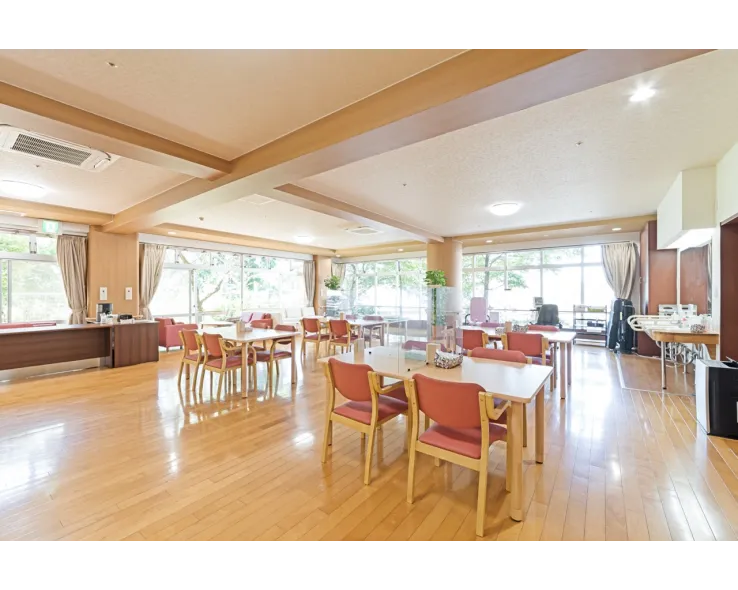
Care homes are busy indoor environments. Residents spend much of their day inside, staff move between rooms, visitors come and go, and shared spaces such as lounges, dining rooms and corridors are used constantly.
When ventilation is poor, stale air, moisture and odours can build up. Over time, this can contribute to condensation, damp and mould, all of which make it harder to maintain a clean, healthy environment.
Better ventilation helps care homes improve indoor air quality, manage moisture and support day-to-day infection prevention and control.
Why ventilation matters in care home infection control
Good ventilation helps remove stale indoor air and bring in fresher air. In a care home, this matters because many residents are older, more vulnerable, or living with health conditions that can make infections more serious.
Poor ventilation can lead to:
Stale or stuffy rooms
Higher humidity
Condensation on windows and walls
Damp and mould growth
Lingering odours
Poor comfort for residents and staff
More pressure on cleaning and maintenance routines
Care home infection control needs to look at the whole environment, not just cleaning schedules. Bedrooms, bathrooms, lounges, dining areas, corridors and treatment spaces all need to be considered.
The link between air quality and infection prevention
Infection prevention and control works best when cleaning, hygiene and building management are joined up.
Cleaning routines are essential, but they are only one part of the picture. If rooms are poorly ventilated, moisture and airborne contaminants can stay trapped inside. This can make areas feel stuffy and create conditions where damp, mould and poor air quality become ongoing issues.
Improving ventilation can help care homes support:
Fresher indoor air
Better moisture control
Lower risk of damp and mould
More comfortable living spaces
A healthier environment for residents, staff and visitors
This does not replace hand hygiene, cleaning or disinfection. It supports them by improving the conditions inside the building.
Infection prevention and control in care homes: what should be reviewed?
A strong infection prevention control strategy should consider how the care home is used throughout the day.
Care providers should review:
Whether bedrooms are properly ventilated
How much airflow there is in communal spaces
Whether bathrooms and kitchens extract moisture effectively
If condensation is appearing on windows or external walls
Whether any rooms feel stale, damp or difficult to keep fresh
How cleaning routines are supported by the wider building environment
Whether ventilation is consistent across the whole property
These checks are practical, but they can make a real difference. Infection prevention and control in care homes is about reducing risk wherever possible, and the building environment has a direct role to play.
How better ventilation can support healthier indoor spaces
Ventilation helps control air movement, humidity and comfort. For care homes, this is especially important because residents may spend long periods in the same rooms.
Better ventilation can help reduce condensation, prevent stale air from sitting in the building and support a more consistent indoor environment.
For care providers, this is not only about comfort. It also supports resident wellbeing, staff working conditions and wider infection control standards.
Where Biovitae can support infection prevention
Alongside ventilation, Biovitae antimicrobial lighting can support environmental hygiene in care home settings.
Biovitae provides safe, continuous sanitising light designed to help reduce bacteria, fungi and other microorganisms on surfaces. This makes it useful in busy rooms that are used throughout the day, where hygiene needs to be maintained between regular cleaning routines.
Used together, good ventilation, cleaning processes and Biovitae lighting can help care homes take a more proactive approach to infection prevention.
Building a stronger infection control strategy
Better ventilation should not be treated as a standalone fix. It works best as part of a wider care home infection control plan.
A stronger strategy should include:
Regular cleaning and disinfection
Clear hand hygiene procedures
Staff training
Effective ventilation
Moisture and mould control
Environmental hygiene solutions
Regular checks of high-risk areas
By improving both cleaning processes and the indoor environment, care homes can create safer, healthier spaces for residents, staff and visitors.
How Objective Health can help
Objective Health supports care homes and healthcare environments with practical solutions that help improve safety, hygiene and indoor conditions.
From ventilation and indoor air quality improvements to Biovitae antimicrobial lighting, we help care providers create healthier environments that support infection prevention and control.
If your care home is reviewing infection control, indoor air quality or environmental hygiene, Objective Health can help identify practical steps to improve your building and reduce risk.